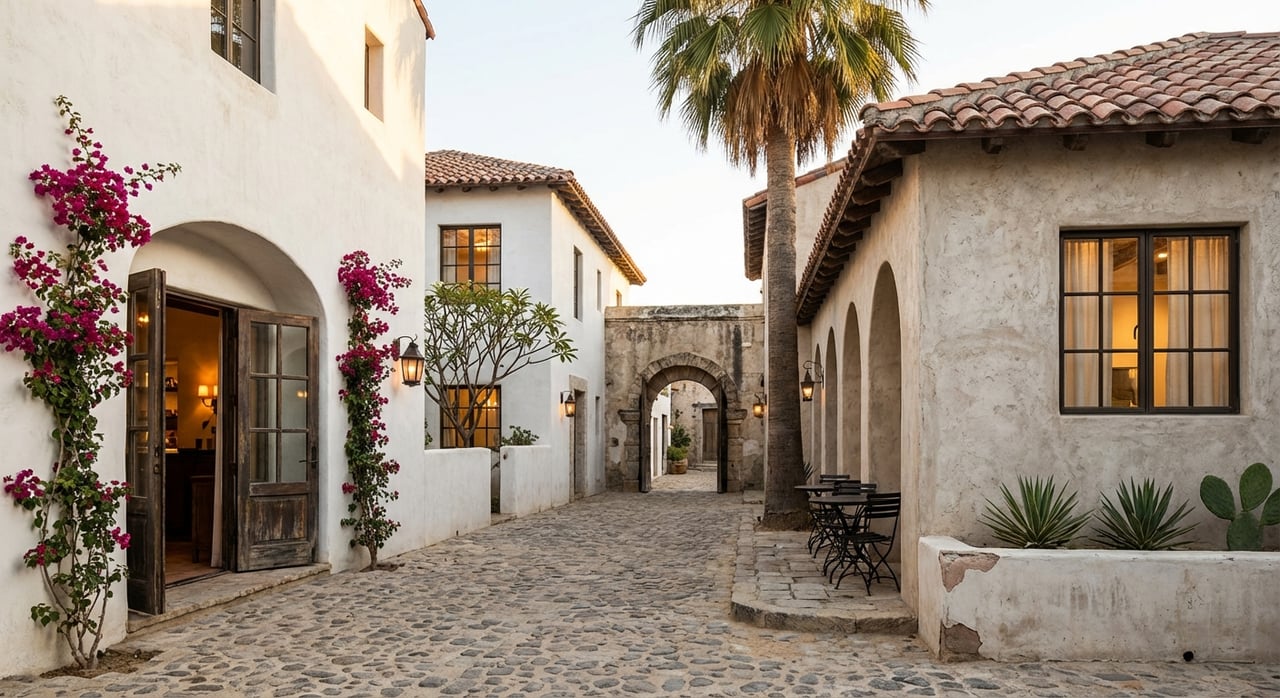
If your Thursday night could be a slow stroll under string lights with gallery doors propped open and live music drifting through cobblestone lanes, would you take it? That is the weekly rhythm around San José del Cabo’s historic center, where the Gallery District turns evenings into an easy ritual of art, food, and conversation. If you’re considering a home nearby, you likely want walkability, character, and a neighborhood that feels alive without feeling hectic. This guide shows you what it is like to live near the Art District, what types of homes you will find, practical notes for foreign buyers, and the best times and places to explore. Let’s dive in.
Art District: where and why it works
The Art District sits just behind the mission in San José del Cabo’s historic center. The main pedestrian spine runs along Calle Álvaro Obregón and the connected alleys. On gallery nights, streets prioritize pedestrians so you can wander at an easy pace. For current dates and details on the weekly Art Walk, check the Gallery District’s program page on ArtCabo.
What makes this pocket special is scale. The blocks are short, façades are colonial, and many galleries live inside renovated two-story adobe or stucco buildings. The result feels village-like rather than resort-sized. You are close to the beach corridor by car, yet everyday life here centers on plazas, courtyards, and the steady hum of evening culture.
What a typical evening feels like
On Art Walk nights, galleries stay open later, often hosting artist meet-and-greets and small openings that keep the energy social and unhurried. Street performers, patio tables, and café chatter make it easy to linger. Because the season window can vary year to year, you should always confirm the latest calendar on ArtCabo’s event page.
If you like to preview a signature stop, the Ivan Guaderrama interactive gallery is a district favorite for contemporary work and playful pieces that invite you to engage. Learn more on the Ivan Guaderrama Gallery listing.
Day-to-day life on foot
The historic center is designed for short walks. Many locals and visitors choose to walk to galleries, cafés, and restaurants. Streets can be cobblestoned and uneven in spots, so comfortable shoes are a must. On event nights, streets often close to cars and become fully pedestrian-friendly, which adds to the relaxed feel. A destination overview highlights this walkable setup and recommends smart urban habits during busier evenings for comfort and awareness. See the San José del Cabo guide for a sense of downtown rhythm.
Dining is another strong pull. The town’s food scene has gained international attention in recent years, and you will find everything from elevated Baja-style menus to refined tacos and mezcal bars. For a taste of the downtown cluster, explore LÍMO Heritage Kitchen at Suelo Sur on the Suelo Sur site. Reserve ahead in high season.
Boutique hotels and small inns sit right in the heart of the district, which says a lot about how people like to experience this area. Casa Natalia is a long-running boutique option a short walk from Plaza Mijares, useful if you want to stay near the galleries during a scouting trip. Read guest impressions on the Casa Natalia overview.
Nature is close too. The San José estuary is a short walk or quick ride from downtown. It is a municipal ecological area and bird sanctuary that offers a calm counterpoint to evenings in the plaza. If morning birding or a gentle walk by the water sounds appealing, preview it in this estuary itinerary note.
Housing types and character
Living near the Art District means choosing from character-rich homes and compact urban condos rather than large resort towers. Expect three main categories:
- Restored colonial houses and historic homes. Many have been renovated with modern systems while keeping original façades and courtyard layouts.
- Low-rise condo conversions and small purpose-built condominiums. These are often within a short walk or quick bike ride of downtown and the hotel zone.
- Mixed-use or commercial properties with residential potential. Some historic buildings are marketed as boutique hotel or gallery opportunities.
Each option carries different maintenance and lifestyle considerations. Historic homes can offer courtyards and authentic finishes, often with renovation histories to review. Smaller condos tend to simplify maintenance and can be well positioned for lock-and-leave living. If you value a quiet midweek routine and lively cultural nights, this mix delivers both.
What listings signal right now
Recent listings suggest a broad spread in price and scale. To give you a feel for the range, here are two illustrative examples from local pages:
- A mid-market furnished condo within reach of downtown living has been listed in the Fonatur area in the roughly 300,000 to 400,000 USD band. See a representative example on this Fonatur condo page.
- In the historic center, restored or commercially positioned properties can be listed at higher, single-to-mid million USD levels, especially when marketed as boutique hotel or gallery opportunities. For context, review this historic downtown commercial lot example.
Always check live MLS or agent pages for current pricing and status. When you evaluate a property, confirm permitted uses, past renovation permits, and any HOA or municipal rules that affect rentals or design changes.
Buying as a foreigner: the basics
San José del Cabo sits within Mexico’s coastal restricted zone. That means most non-Mexican buyers purchase residential property through a bank trust called a fideicomiso or via a Mexican corporation. The fideicomiso is typically issued for 50 years and is renewable. It grants you the rights to use, rent, sell, and inherit, with the bank serving as trustee of record. For a clear explainer, read this overview on how foreigners own property in Mexico.
Your due-diligence checklist should include:
- Confirm title type, including whether the land is freehold or ejido.
- Verify if the property is inside the restricted zone and will require or already has a fideicomiso.
- Review HOA or building rules that affect renovations and short-term rentals.
- Engage a bilingual notary or real estate attorney to review permits and documents.
Rental and income reality
Cultural events drive foot traffic in high season, which supports short-term rental demand near downtown. The weekly Art Walk continues to draw visitors and keeps the historic district active. Review this travel report on how the San José Art Walk attracts visitors. Be mindful that rental demand here is seasonal. Occupancy and rates concentrate during the late-fall to spring window, and exact timing can vary by calendar year and event schedule. Before you count on rental income, verify local rules for short-term rentals and check building policies.
When to visit and where to stay
To experience the neighborhood’s best version of itself, plan a trip during an active Art Walk period. Since season dates can shift slightly, confirm current details on the Gallery District calendar. If you prefer to explore with fewer crowds, arrive midweek and early evening when galleries are open but the streets feel calmer.
A boutique stay helps you live at street level. Casa Natalia places you inside the historic center, so you can walk to Plaza Mijares and the galleries without a car. Read more on the Casa Natalia overview. For travel logistics, downtown is about a 15 to 25 minute drive from Los Cabos International Airport, depending on traffic. Check typical drive times on Travelmath.
Practical tips for living nearby
- Wear comfortable shoes. Cobblestone lanes and short blocks make walking the default. See the downtown overview for practical context.
- Time your errands. On event nights, streets may close to vehicles, which is great for strolling but worth planning for if you are driving.
- Plan dining. Reserve popular spots in high season, and keep a list of casual taco bars for spontaneous evenings. Browse an example menu at Suelo Sur.
- Mix art with nature. Start your morning at the estuary, then circle back to the galleries in the evening. Get a sense of the San José estuary.
Ready to explore with us?
If you want a walkable, art-forward lifestyle with airport convenience and nature close by, the streets around San José del Cabo’s galleries deliver it in a compact, character-rich package. Our boutique, concierge approach helps you compare historic homes and downtown condos, understand fideicomiso logistics, and evaluate rental potential with clear, local context. Start your discovery with Robyn Bezjak for a complimentary concierge consultation.
FAQs
How walkable is downtown San José del Cabo?
- The historic center has short blocks, pedestrian-focused streets on event nights, and cobblestone lanes. Wear comfortable shoes and follow common-sense urban habits. See the destination overview for context.
When is the San José del Cabo Art Walk held?
- The weekly Art Walk runs seasonally, often during the high season months. Exact dates can vary each year, so check the Gallery District calendar for current details.
What kinds of homes are near the Art District?
- You will find restored colonial houses, renovated historic homes, and low-rise condos or condo conversions close to downtown. Listings range from mid-market condos to higher-priced historic or commercial properties.
Can foreigners buy a home in San José del Cabo?
- Yes. Most non-Mexican buyers in coastal areas use a bank trust called a fideicomiso, which is typically issued for 50 years and is renewable. Read a clear overview of the process here.
Is the historic center safe at night?
- Travel guides describe the area as generally comfortable for evening walks on well-lit streets, especially during organized events. As in any busy destination, use common-sense precautions. See the downtown guide for practical notes.
How far is downtown from the Los Cabos airport (SJD)?
- Driving time is commonly about 15 to 25 minutes, depending on traffic and route. For a planning reference, check typical drive times.
Where should I stay while I scout the neighborhood?
- A boutique hotel in the historic center lets you experience daily life on foot. Casa Natalia is a long-standing example near Plaza Mijares. See the hotel overview.
