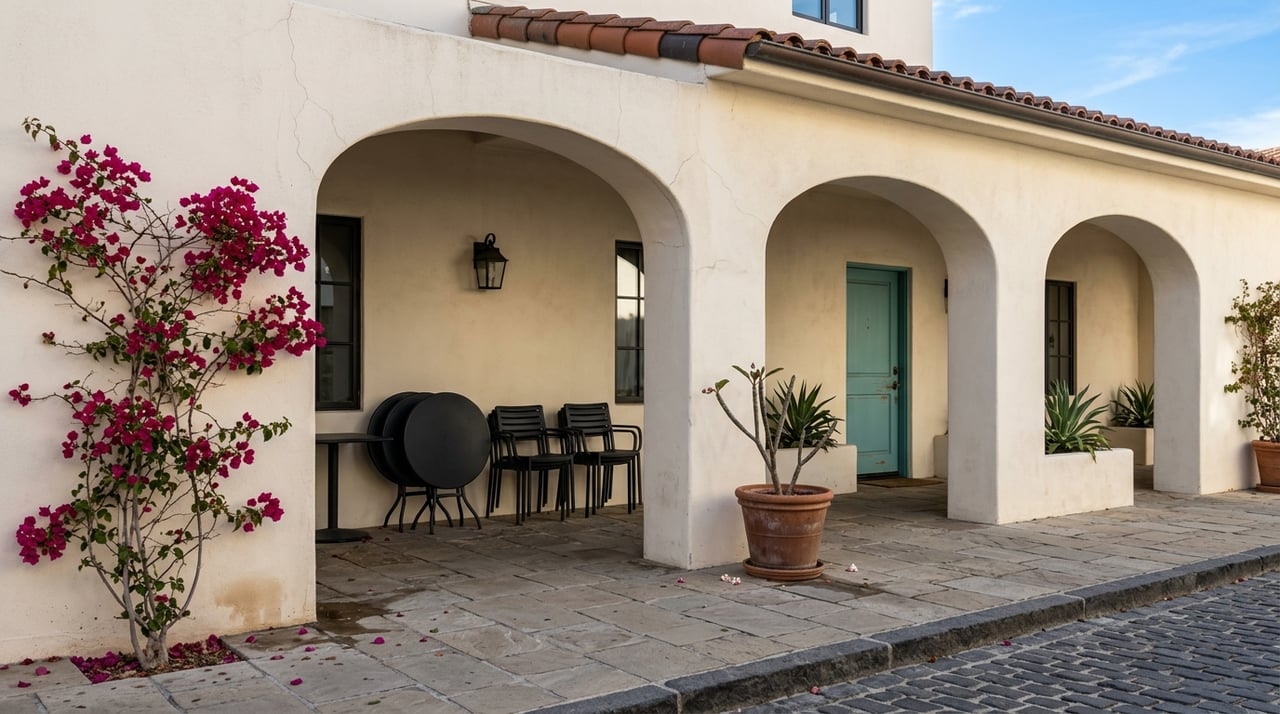
If you picture Los Cabos as all resorts and beach clubs, San José del Cabo’s Historic Center may surprise you. This part of town offers a more relaxed, walkable setting shaped by plazas, galleries, cafés, and long-standing local landmarks. If you are wondering what it is really like to live here, this guide will help you understand the pace, housing mix, and day-to-day lifestyle so you can decide if it fits the way you want to live. Let’s dive in.
Why the Historic Center Stands Out
San José del Cabo’s historic core traces back to the town’s mission-and-plaza beginnings around 1730. Official tourism materials note that the mission and plaza were founded around that time on Calle Zaragoza, and both remain central to the area today. Municipal history also points to later restoration work after the 1918 hurricane, which helps explain why the district feels both historic and actively cared for.
The broader atmosphere is one of a relaxed colonial town center. State cultural sources describe pedestrian areas, colonial houses, and colonial-style buildings that give the neighborhood a calm and distinctive character. If you are looking for a place with a strong sense of place, this is one of the Historic Center’s biggest draws.
What Daily Life Feels Like
Living in the Historic Center means being close to the town’s most walkable and active streets. Official visitor materials describe this area as the more artistic and relaxed side of Los Cabos, with historic architecture, colorful buildings, boutiques, galleries, and trendy cafés clustered together. In practical terms, that can make everyday errands and casual outings feel more like a stroll than a drive.
Plaza Mijares sits at the heart of this rhythm. Cultural sources describe it as a tree-lined square with a kiosk, open-air amphitheater, and the church on its west side, with restaurants, galleries, jewelry stores, and shops nearby along Zaragoza, Obregón, Hidalgo, and Boulevard Mijares. If you enjoy having public space at the center of daily life, this layout is part of the neighborhood’s appeal.
The Historic Center also has a weekly social rhythm that shapes how the area feels. The Gallery District includes 14 major galleries, and the Thursday Art Walk is built around walkable streets and a pedestrian-friendly setting. Published schedules vary slightly by source and season, but the event is consistently described as a recurring part of life in the district.
There is also a Tuesday evening tradition called Sabores San José. From 5:00 p.m. to 9:00 p.m., streets including Calle Grande, Morelos, and Álvaro Obregón close to traffic for a walking food experience with live music and folkloric dance. For residents, that can mean a lively and engaging atmosphere close to home, especially if you enjoy stepping out on foot for dining and entertainment.
Walkability Is a Real Lifestyle Feature
Not every neighborhood truly supports a walk-first lifestyle, but the Historic Center comes closer than many parts of the region. Between the plaza, gallery district, cafés, shops, and regular street events, the area functions more like a traditional town center than a car-first neighborhood. That does not mean you will never drive, but it does mean many leisure activities can happen within a compact area.
This matters if your idea of home includes spontaneous evenings out, coffee runs, browsing galleries, or meeting friends without much planning. It also matters if you value the energy that comes from being near public life. The tradeoff, of course, is that a central district with events and activity will not feel the same as a quiet residential enclave.
Nature Is Close to Town
One of the most interesting parts of living near the Historic Center is how close you are to a notable natural area. The Estero de San José del Cabo is recognized as a State Ecological Reserve, a Ramsar wetland, and an Important Bird Conservation Area. Municipal environmental materials describe it as a protected wetland that supports many species of flora and fauna.
For everyday lifestyle, that means urban character and natural access exist side by side. If you like the idea of pairing café mornings and evening strolls with nearby outdoor walks or birdwatching, this location offers that mix. It is a reminder that living in town here does not mean giving up access to nature.
What Homes Near Centro Tend to Look Like
Recent listings suggest that housing in and around Centro tends to be compact and low-rise rather than dominated by large detached homes. Examples include a one-bedroom townhouse-style downtown unit at Cardinal Living with rooftop common areas and shared amenities, a 2023-built studio unit in SJD Downtown, and a 2022-built mixed-use property near Plaza Mijares. Taken together, these examples point to a neighborhood with residential, live-work, and small-scale infill options.
That pattern is useful if you are considering a condo, townhouse-style property, or a home that puts location ahead of lot size. Buyers who want to be close to galleries, restaurants, and public spaces may find that tradeoff worthwhile. Buyers who want expansive yards or a more secluded single-use residential setting may need to look beyond the core.
A nearby listing in Campo de Golf Fonatur shows that larger homes are available close to downtown, even if they are not typical within the Historic Center itself. That home was marketed as being minutes from downtown, the Art District, restaurants, shopping, and swimmable beaches. For some buyers, that nearby option may strike a better balance between space and access.
Who the Historic Center Fits Best
The Historic Center is often a strong fit if you want walkability, culture, and convenience built into your routine. It can work well for buyers looking for a lock-and-leave property, a second home, a design-forward condo, or a centrally located residence with easy access to dining and events. It may also appeal to people who care more about atmosphere and access than about square footage or privacy from nearby activity.
It can be a weaker fit if your top priorities are a large yard, a very quiet street scene, or a more conventional suburban feel. Because this is an active town center, the setting is shaped by public life, event nights, and mixed-use surroundings. That is part of its appeal, but it is still important to match the neighborhood to your day-to-day preferences.
What Buyers Should Consider
If you are comparing the Historic Center to other parts of San José del Cabo, it helps to think beyond the listing photos. The right fit often comes down to how you want your week to feel.
Consider questions like these:
- Do you want to walk to cafés, galleries, and restaurants?
- Would you enjoy regular public events nearby?
- Are you comfortable with a more active, mixed-use setting?
- Is a compact home or condo a good trade for central location?
- Would a nearby area with more space fit you better than Centro itself?
When you answer those questions honestly, your options usually become much clearer. A beautiful home can still feel wrong if the surrounding lifestyle does not match your priorities.
Ongoing Care and Preservation Matter
The Historic Center is not simply left to age on its own. The municipality has publicly described ongoing street cleaning efforts in central San José del Cabo, along with a consultative commission focused on preservation and development control. For buyers and owners, that signals a district where upkeep and long-term character remain part of the public conversation.
That kind of attention matters in a historic area. It helps support the everyday experience of the neighborhood while also recognizing that preservation and change need to be managed carefully. If you value a setting with established identity, this is an encouraging detail.
Why This Area Attracts Lifestyle Buyers
Some neighborhoods are chosen mainly for square footage or price point. The Historic Center is more often chosen for how it feels. Its appeal comes from the combination of history, public space, artistic energy, and a daily routine that can happen on foot.
For the right buyer, that mix is hard to replicate. You get the texture of a long-established town center, the energy of weekly cultural events, and close access to a protected natural area. If that sounds like your version of home, the Historic Center deserves a closer look.
If you are exploring homes in San José del Cabo and want a more tailored, concierge-level perspective on where your lifestyle fits best, Robyn Bezjak can help you evaluate the Historic Center and nearby neighborhoods with clarity and confidence.
FAQs
What is daily life like in San José del Cabo’s Historic Center?
- Daily life in the Historic Center tends to feel walkable, social, and connected to local public spaces, with cafés, galleries, shops, and regular community events centered around Plaza Mijares and nearby streets.
What types of homes are common near San José del Cabo Centro?
- Recent listings suggest a mix of compact, low-rise homes such as condos, townhouse-style units, studios, and some mixed-use properties rather than a concentration of large detached estates.
Is San José del Cabo’s Historic Center good for walkability?
- Yes. Official descriptions of the area and its recurring events point to a pedestrian-friendly setting where many dining, gallery, and leisure activities are concentrated within the core.
Are there regular events in San José del Cabo’s Historic Center?
- Yes. The area is known for the weekly Thursday Art Walk and the Tuesday evening Sabores San José event, which includes street closures, food experiences, live music, and folkloric dance.
Is nature close to San José del Cabo’s Historic Center?
- Yes. The Estero de San José del Cabo is nearby and is recognized as a protected wetland with important ecological value, adding outdoor and birdwatching appeal close to town.
Who is San José del Cabo’s Historic Center best suited for?
- The area is often best suited for buyers who value walkability, access to galleries and cafés, and an event-driven town-center lifestyle more than large lots or very quiet residential streets.
